
Massage Benefits for Diabetics
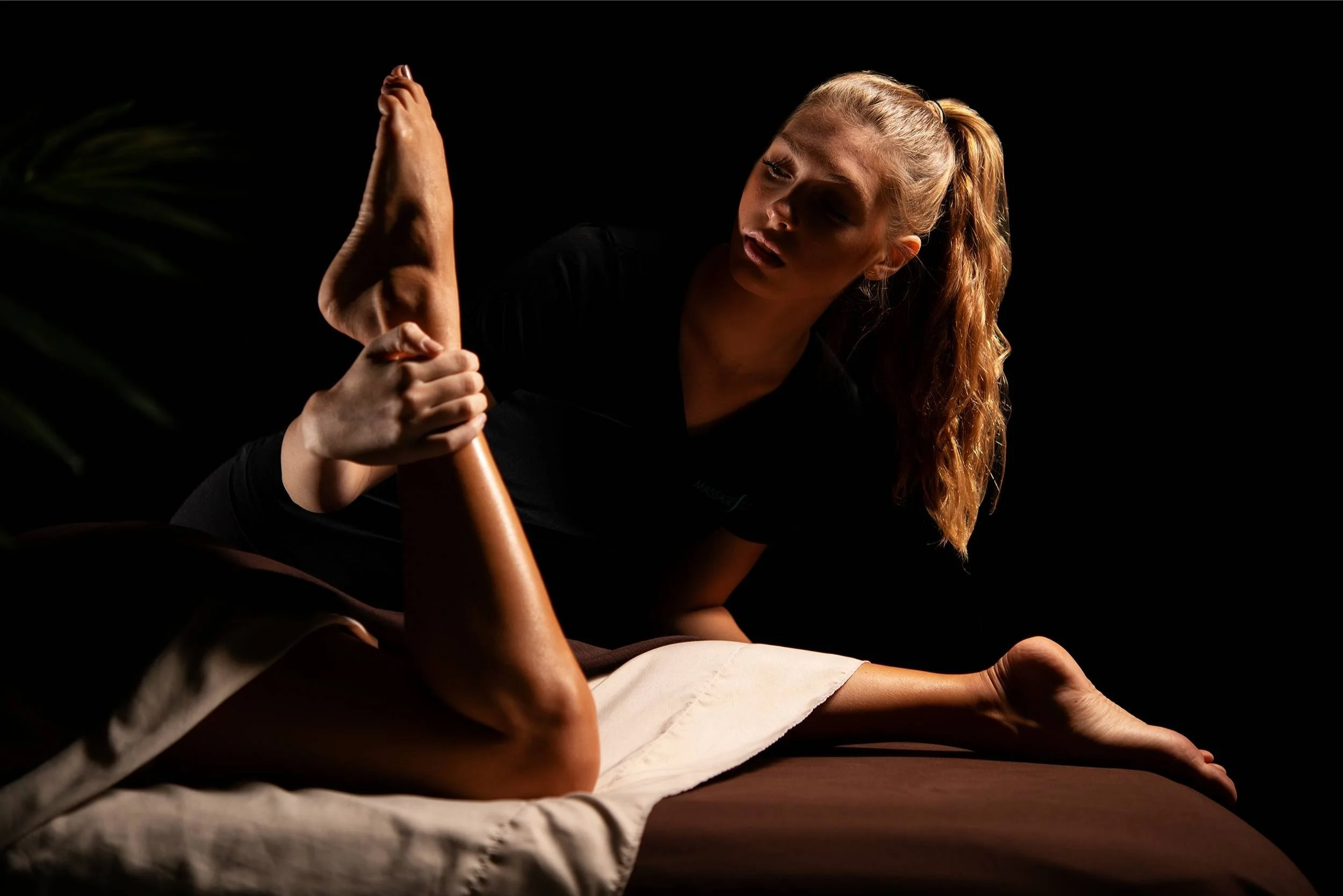
Integrating massage therapy alongside medical treatments for people with diabetes can provide a relaxing escape-away from doctors, medication and uncomfortable symptoms. Regular sessions can boost circulation, loosen stiff muscles and joints, ease stress and may even support steadier blood sugar. Most people with diabetes can enjoy massage safely by checking in with their doctor first and sharing a few details with their massage therapist.
Living with diabetes means paying closer attention to your body every day: what you eat, how you move and what your numbers say. Self-care becomes part of the plan, and massage therapy is one of the most enjoyable ways to practice it. Paired with the care you receive from your doctor, massage gives you dedicated time to rest, recharge and reconnect with how your body feels.
How Does Diabetes Affect the Body?
Diabetes is a chronic condition that affects how your body turns food into energy. According to the CDC, more than 38 million people in the United States have diabetes, so if you're navigating it, you're not alone.
Over time, elevated blood sugar can affect blood vessels and nerves, especially in the hands, legs and feet. Many people notice slower circulation, tightness in their muscles and joints or changes in sensation. Managing a condition day in and day out can also take a mental toll. That's where massage comes in, supporting both your body and your mind.
What Are the Benefits of Massage for Diabetes?
Here are the benefits people with diabetes tend to notice most:
Better circulation
Massage encourages blood flow to your muscles and soft tissue, helping deliver oxygen and nutrients throughout your body. Because diabetes can slow circulation in the arms and legs, this gentle boost is one of the most welcome benefits of massage for people with diabetes.
More flexibility and range of motion
Over time, excess sugar in the bloodstream can bind to collagen, the protein that gives your connective tissue its structure. This process, called glycation, can make tendons, ligaments and the tissue around your joints thicker and stiffer. You might notice it as tight shoulders, stiff hands or hips that don't move like they used to. Massage warms and softens these tissues so you can move more freely and comfortably.
Stress relief
Counting carbs, checking numbers and keeping up with appointments adds up. Massage calms your nervous system and gives you a full session that's entirely yours. That matters for more than your mood: stress hormones like cortisol can raise blood sugar, which makes relaxation a meaningful part of diabetes self-care.
Support for healthy blood sugar
Early research is encouraging. In one clinical study, women with type 2 diabetes who received a 30-minute massage once a week for 10 weeks had lower A1C levels than women who received standard care alone. Another study found that children with type 1 diabetes who received regular Swedish massage had lower blood glucose readings. Massage isn't a treatment for diabetes, but it can be a positive addition to the healthy habits you're already building.
Better sleep
Quality sleep plays an important role in blood sugar management, and massage helps your body shift into rest mode.
Is Massage Safe for People With Diabetes?
Yes, massage is safe for most people with diabetes. As with any addition to your wellness routine, check with your doctor first, especially if you have neuropathy, circulation concerns, sores on your skin or blood sugar that has been hard to keep steady.
Our licensed massage therapists personalize every session. When you share your health history, they can adjust pressure, technique and focus areas so your massage feels comfortable from start to finish.
Which Type of Massage Is Best for Diabetes?
The best massage is the one tailored to how diabetes shows up for you. Here's where to start.
Swedish massage for circulation and relaxation. Long, gentle strokes encourage blood flow and melt away tension. Swedish massage is a great first choice if you're new to massage or if circulation is your main focus.
Therapeutic massage for stiffness and targeted discomfort. Designed around your needs, therapeutic massage blends deep tissue, sports and neuromuscular techniques to focus on specific areas. It's a great fit for tight shoulders, stiff hips or limited range of motion.
Neuromuscular massage for nerve-related discomfort. Diabetic neuropathy is nerve damage caused by elevated blood sugar over time, and it can bring tingling, burning or numbness to the hands and feet. Neuromuscular therapy uses trigger point work and soft tissue techniques to address areas of pain. Let your therapist know where your sensation is reduced so they can keep pressure comfortable.
Reflexology for your feet. Reflexology applies focused pressure to specific points on the feet, hands and ears. Because diabetes can be especially hard on the feet, many guests find this treatment deeply soothing.
Hot Stone massage with a few adjustments. Warm, smooth stones deliver deep relaxation to tired muscles. If you have reduced feeling anywhere, your therapist can keep the stones away from those areas or adjust the warmth so you can fully relax.
How Do I Prepare for a Massage If I Have Diabetes?
A few simple steps help you get the most from every session.
Check your blood sugar before your appointment. Massage can lower blood sugar for some people, so starting in a steady range keeps you comfortable.
Bring a snack. Keep a quick source of sugar in your bag and check your levels again after your massage.
Share your injection and device sites. Massage near a recent insulin injection can speed up how quickly the insulin is absorbed. Your therapist will simply work around those spots, along with any insulin pump or glucose monitor.
Point out areas of changed sensation. Let your therapist know where you experience numbness, tingling or sensitive skin.
Choose a steady time of day. Book your massage when your blood sugar tends to be most stable rather than right before or after an insulin dose.
Speak up anytime. If you feel shaky, lightheaded or just not quite like yourself, tell your therapist. They'll pause so you can check in with your body.
How Often Should You Get a Massage If You Have Diabetes?
Consistency is where the benefits build. Participants in the research above received massage weekly or several times a week. Talk with your therapist about a schedule that fits your goals and ask about our membership for savings on regular visits.
The battle against diabetes is not something you have to endure alone. Our team of massage experts are here to help you find the best therapeutic escape for your personal treatment plan.