
The Science Behind Relaxation
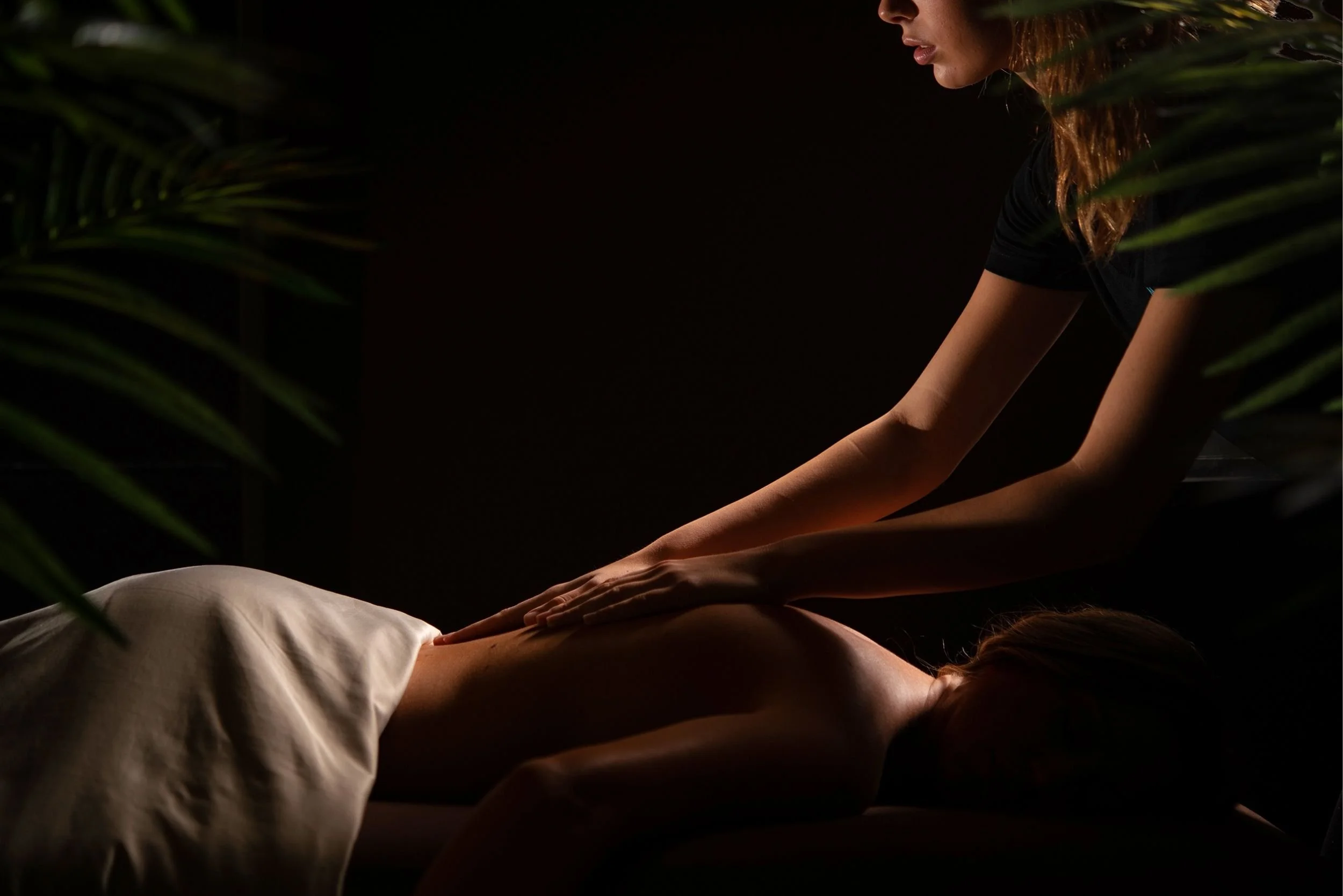
Relaxation isn't just a state of mind—it's a scientific state of being that decreases the effects of stress on your mind and body. Reaching this state of being helps you handle stress, whether it be from everyday factors or major life events.
Massage therapy has been used for centuries as a simple, natural relaxation technique. When used regularly, massage therapy is a great way to help with stress management and overall better health through the increase and balance of key neurotransmitter hormones. When relaxed, your breathing, heart rate, blood pressure and metabolism all slow down, creating a calmer state of body, mind and spirit.
What is Stress, and What is Relaxation?
While you are probably acutely aware of what stress is in your daily life, the scientific definition of stress is a bit more specific. In this sense, stress refers to a normal, yet unwelcome physical and mental response to stressors, circumstances that are difficult, upsetting, or scary. There are two primary types of stress: Eustress and Distress.
Eustress is normal stress that can have a beneficial effect for you. It is positive, helpful, and motivates you to work hard, improve performance, and get things done. Eustress is typically related to exciting events like having a baby, moving someplace new, or starting a new job.
Distress is negative stress that most of us relate to when feeling stressed out. This negative stress makes you feel overwhelmed and anxious, and can lead to challenging symptoms like headaches, tension and irritability.
Eustress and Distress can both have unique impacts on you and how you function. Often, depending on the situation, your personality type and outlook on the situation can determine which type of stress you're experiencing. Adopting a positive thinking and self-talk approach can significantly enhance your stress management skills.
The relaxation state, on the other hand, occurs when your body is no longer in fight or flight stress mode, and the autonomic nervous system functioning returns to normal—unstressed. This state can be achieved by balancing key hormones, known as neurotransmitters, that regulate how your body reacts to stressful circumstances.
Increasing Neurotransmitter Production
Massage therapy is a wonderful way to relieve stress and increase neurotransmitter production of dopamine, serotonin and oxytocin, the hormones that help you cope with stress. These hormones promote positive feelings, including happiness and pleasure.
Dopamine is a feel-good hormone and is an important part of your brain's reward system, associated with pleasurable sensations, learning, memory, motor functions and more.
Serotonin is a hormone commonly known as the "happy" chemical due to its effects on well-being and happiness. Like Dopamine, Serotonin helps regulate your mood, but it also helps regulate your sleep, appetite, digestion, learning ability and memory.
Oxytocin, often called the love hormone, is more emotional and promotes trust, empathy and bonding in relationships. Extra bonus, oxytocin levels increase with physical touch like hugging, kissing, cuddling and intimacy. It's also a key hormone to keep an eye on for pregnant and nursing women—in these women, it helps improve the bond with baby and increase breast milk supply.
The increased levels of dopamine, serotonin and oxytocin resulting from massage can regulate, and even elevate your mood, energy, motivation and mental outlook. And who wouldn't benefit from that?
Decreasing Cortisol Levels
Cortisol is a naturally occurring hormone, often called the stress hormone, secreted by the adrenal glands, and can fluctuate based on what you're experiencing. The adrenal glands release cortisol in response to stress or fear as part of the body's fight or flight response.
Cortisol plays an important role in your overall health including:
Blood pressure
Glucose metabolism
Immune function
Inflammatory response
Insulin and blood sugar regulation
During a massage, the body releases endorphins-natural painkillers and mood elevators-that promote a sense of calm and relaxation. This response helps reduce levels of stress hormones, such as cortisol. When cortisol levels decline, serotonin (the happy hormone) increases, boosting your ability to fight off pain, anxiety and feelings of sadness. This lowers blood pressure, improves heart rate and enhances overall mood.
Reaching Your Relaxation State
The increased production of dopamine, serotonin and oxytocin, and decrease in cortisol through massage, encourages relaxation response, resulting in lower blood pressure, improved sleep, less anxiety, better digestion and improved mood.
Massage is one of the most effective and convenient ways for inducing the relaxation response in your body, so you can feel better mentally and physically. When you take care of yourself with a massage, you are doing more than relaxing, you are balancing your hormones, signaling your brain that everything is ok, so you can be you. By reducing stress hormones and promoting the release of mood-enhancing neurotransmitters, regular massage sessions will help you find relaxation.
Which Massage Technique is Best for Stress Relief?
Not all massage techniques work the same way, so choosing the right style can make a real difference in how quickly you reach a relaxed state.
Swedish massage uses long, gentle strokes to improve circulation and ease tension, making it one of the most popular choices for stress relief and relaxation.
Deep tissue massage targets chronic muscle tension with slow, deliberate pressure, helping release the tightness that stress often causes in the shoulders, neck and back.
Hot stone massage combines warmed stones with massage strokes to deliver deep, soothing relief to tired muscles and an especially calming full-body experience.
Therapeutic massage blends deep tissue, sports and neuromuscular techniques into a customized session designed around your specific stress points and pain areas.
Reflexology applies targeted pressure to the feet, hands and ears to encourage relaxation throughout the entire body.
Every massage session includes your choice of music, aromatherapy, soothing hot towels and pain-relieving products, so your stress-relief experience is personalized from start to finish.
Regular Massage Therapy Contributes to Long-Term Wellness
Stress relief isn't a one-time fix, it's an ongoing practice. Getting massages on a regular basis helps keep cortisol levels in check and neurotransmitter production balanced, so the benefits of relaxation compound over time rather than fading after a single visit.
Consistent massage therapy supports:
Lower stress and anxiety levels day to day
Better sleep quality and more consistent energy
Improved circulation and muscle recovery
A stronger immune system and greater emotional resilience
Whether you visit weekly, biweekly or monthly, making massage part of your self-care routine is one of the simplest ways to protect your long-term mental and physical well-being.
Ready to relax? We've got you. Simply book an appointment with Massage Studio and start your journey to ultimate mind and body relaxation.
About Massage Studio
Massage Studio is a locally owned and operated spa offering a range of personalized massage treatments. Massage Studio has locations in Downtown St. Petersburg and South Tampa, providing guests with affordable, convenient and luxurious massage services seven days a week. Designed with relaxation in mind, Massage Studio invites guests to feel the difference of massage therapy and indulge in self-care.